John W. McCluskey
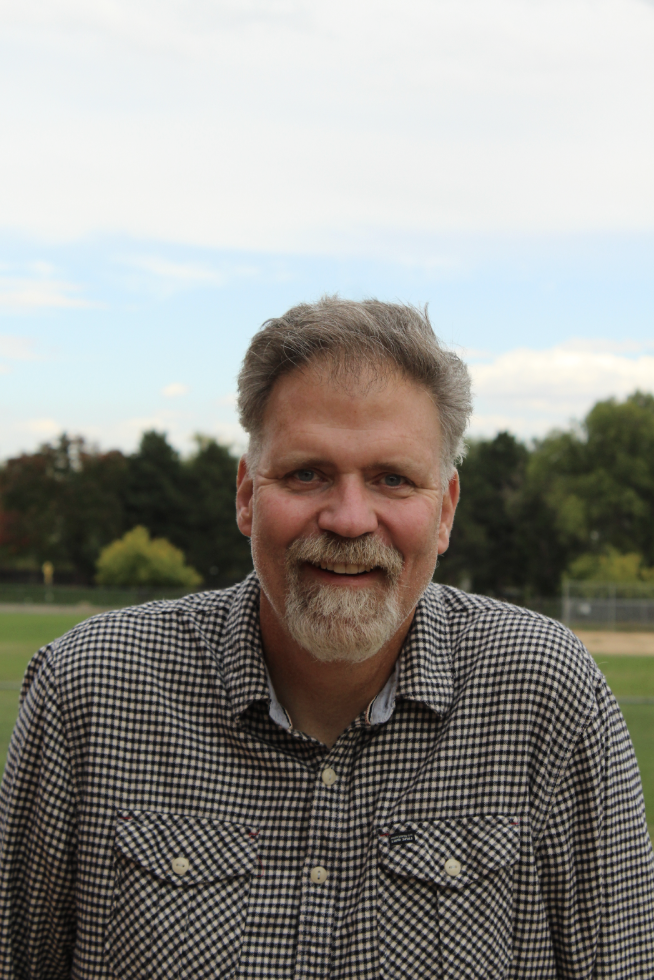
John W. McCluskey is a veteran educator, principal, council carrier, and facilitator who has been working to humanize education and leadership since 1989. For more than three decades he has cultivated learning environments rooted in relationship, belonging, and shared responsibility. As principal of New Vista High School in Boulder, Colorado, he has helped shape a student‑centered culture where dialogue, authenticity, and community stewardship guide daily practice. His work is grounded in the belief that young people thrive when they are seen, heard, and invited into meaningful participation, and that schools become transformative when relationships – not compliance – form their core.
Research & Theoretical Work
John’s professional foundation is shaped by long‑term engagement with relational education, restorative practices, and council work. Since 1991, council has been a central thread in his leadership, informing his understanding of how dialogue builds trust, strengthens community, and supports developmental growth. His collaborations with organizations such as Circle Ways, Beyond Us and Them, and The Center for Relational Learning have deepened his commitment to practices that cultivate presence, listening, and shared leadership. Over the years he has woven together strands of rites‑of‑passage work, adolescent development, and relational learning into an evolving approach that honors transition as a vital part of human maturation. His work continues to explore how schools and organizations can become containers for reflection, belonging, and collective transformation.
Approach and Practice
At the heart of John’s approach is a simple, enduring truth: relationships are the foundation of learning and leadership. He builds systems and cultures where dialogue is a daily practice, where conflict becomes an opportunity for repair, and where community members learn to witness one another with respect and curiosity. His facilitation blends council practice, restorative frameworks, reflective inquiry, and community‑building structures that help people move from isolation into connection. Whether working with students, educators, leadership teams, or civic groups, he emphasizes presence, shared responsibility, and the slow, steady work of cultivating trust. His method invites people to step into their own voice while learning to hold space for others, turning relational skills into lived, embodied practice.
Personal Journey and Leadership
John’s leadership is shaped by decades of working inside real communities – schools, families, organizations, and intergenerational groups – where the complexities of human experience are lived out daily. His long tenure in education has taught him that transformation is relational, iterative, and communal. He has spent much of his career supporting adolescents and adults through rites of passage, helping them navigate thresholds with intention, reflection, and community witnessing. His commitment to relational leadership is grounded in humility, curiosity, and a deep trust in the wisdom that emerges when people gather in honest conversation. He carries the lineage of council practice with reverence, honoring the teachers, elders, and communities who shaped his understanding of dialogue as a way of life.
Programs and Community
John facilitates relational practices across a wide range of settings, including schools, leadership teams, men’s groups, couples, and community organizations. His work includes council facilitation, restorative practice training, rites‑of‑passage support, and consulting with educators and organizations seeking to strengthen cultures of trust and belonging. He partners with schools and leaders who want to build systems grounded in dialogue, shared leadership, and relational accountability. His teaching emphasizes practical tools – circle structures, reflective processes, conflict‑repair practices – alongside the deeper inner work of presence, listening, and community stewardship. Through workshops, trainings, and ongoing partnerships, he helps communities cultivate the relational foundations necessary for meaningful and sustainable change.
Guides, Mentors and Elders
John’s work is shaped by a long lineage of teachers, colleagues, and communities who have modeled relational leadership and the power of shared story. His early years in education were influenced by mentors who understood schools as living communities rather than bureaucratic systems. His decades of council practice were shaped by elders and facilitators who taught him the discipline of listening, the courage of vulnerability, and the importance of communal witnessing. His collaborations with organizations such as Circle Ways and The Center for Relational Learning expanded his understanding of dialogue as a cultural practice. The rites of passage communities he has worked with have deepened his belief in the necessity of intentional thresholds and the communal support required to cross them. These relationships continue to inform his leadership and his commitment to relational transformation.
Life and Commitment
John lives in Longmont, Colorado, with his wife and three children. His home life reflects the same values he brings to his work: presence, connection, and a reverence for the unfolding of each person’s unique path. He remains committed to strengthening relational leadership in schools and organizations, helping communities build cultures where trust, belonging, and shared responsibility can flourish. His work continues to evolve in partnership with the students, educators, and communities he serves, guided by the belief that humanizing our systems begins with humanizing our relationships.