Becoming Self

Professional Development Rooted in Depth and Meaning

At the Becoming Self Institute, we believe that continuing education should do more than check a box – it should deepen your practice, nourish your perspective, and reconnect you with the heart of your work.  Our CEU-accredited trainings are designed for therapists, educators, coaches, and wellness professionals who want to integrate The Becoming Framework into their existing modalities.  These offerings are crafted to support both technical growth and soulful expansion, helping you meet students and clients with greater clarity, compassion, and developmental insight.

Each course is grounded in Life Cycle Sequencing, a model that maps human development across thirteen distinct stages.  You’ll learn how to recognize where someone is in their unfolding, how to support transitions with timing-sensitive tools, and how to use symbolic language to help clients make meaning of their experiences.  Our trainings blend structured templates, experiential exercises, and nature-inspired metaphors to create a learning environment that is both intuitive and profound.

Whether you’re working with grief, identity shifts, burnout, or reinvention, our CEUs equip you with a developmental lens that honors the whole person.  You’ll leave with practical strategies for assessment, intervention, and reflection – plus a renewed sense of purpose in your role as a guide.  

These trainings are ideal for professionals who want to bring more depth, resonance, and soul into their work, without losing the rigor and clarity required in clinical or educational settings.

How to Engage

You can sign up for CEUs individually, choosing the topics that resonate most with your current practice or developmental edge.  We also offer customized trainings for organizations, schools, and practitioner groups – tailored to your context, needs, and timing.  If you don’t see a CEU listed that fits what you’re looking for, we welcome your inquiry.  Together, we can co-create a training that meets your vision and supports your community.

Who Facilitates

CEUs are offered by Dr. Jason Geoffrion, founder of Becoming Self, in partnership with certified Institute Guides – each bringing their own expertise, lived experience, and relational presence.  Depending on the topic and certification requirements, your training will be led by a collaboration of Institute Guides whose background aligns with your field and needs.

What You Receive

Each CEU includes:

  • Developmentally grounded content
  • Experiential practices and tools
  • Reflection prompts and integration support
  • Optional certification hours and completion certificate (where applicable)
  • Access to a growing community of practitioners

Whether you’re seeking personal enrichment, professional development, or a deeper way to serve, our CEUs are designed to meet with clarity, compassion, and a commitment to lifelong becoming.

CEU Trainings Location

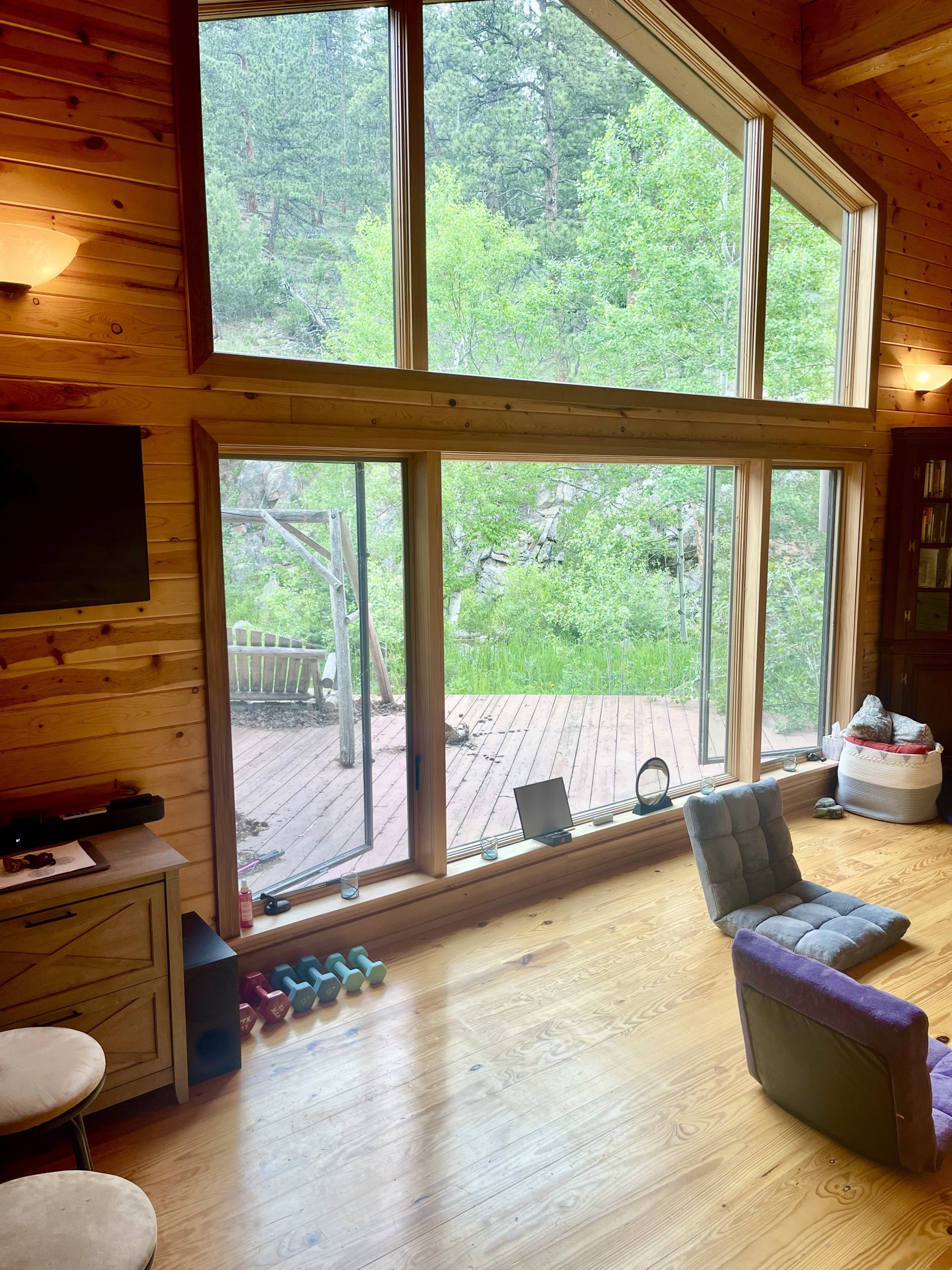
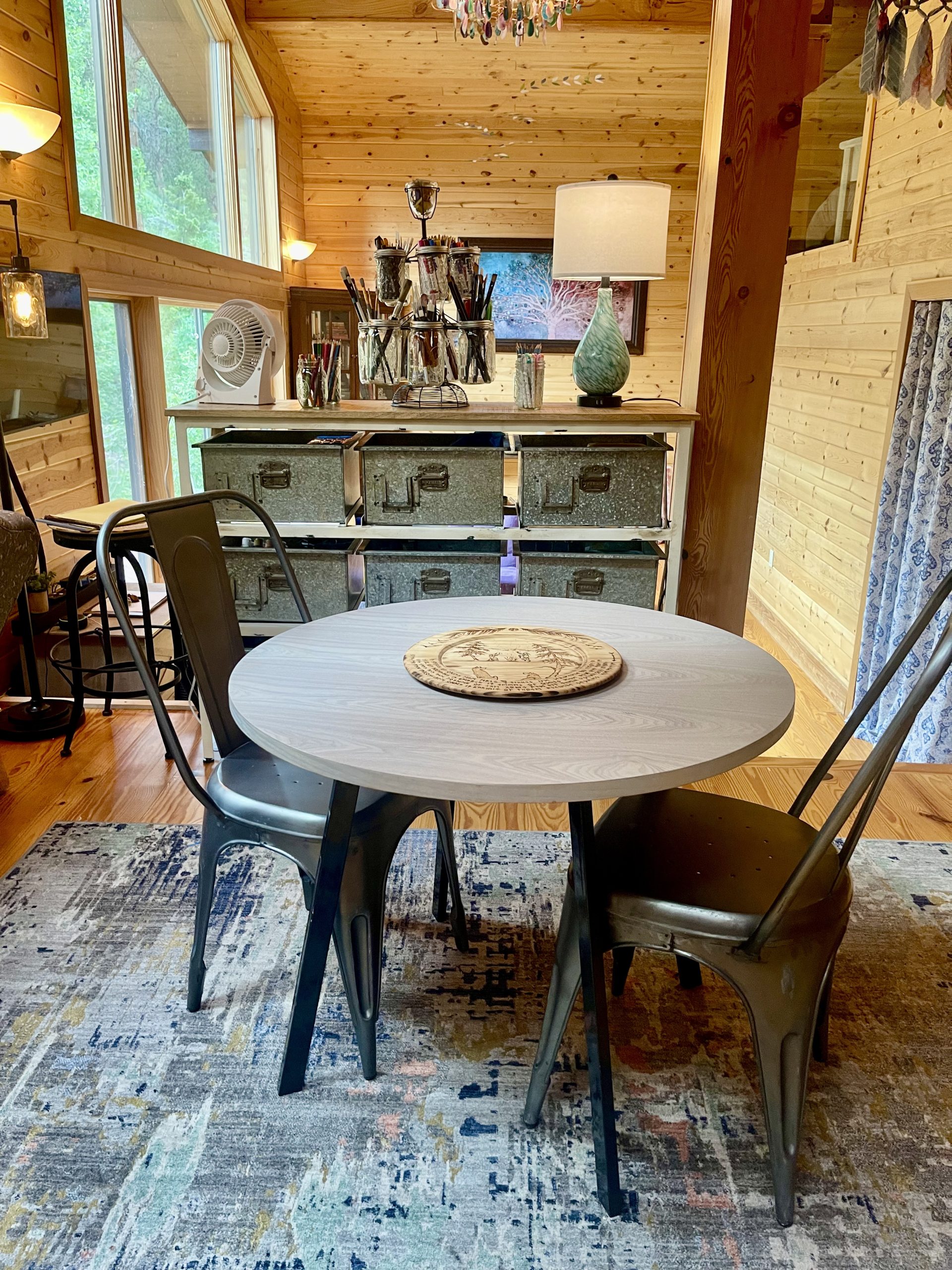
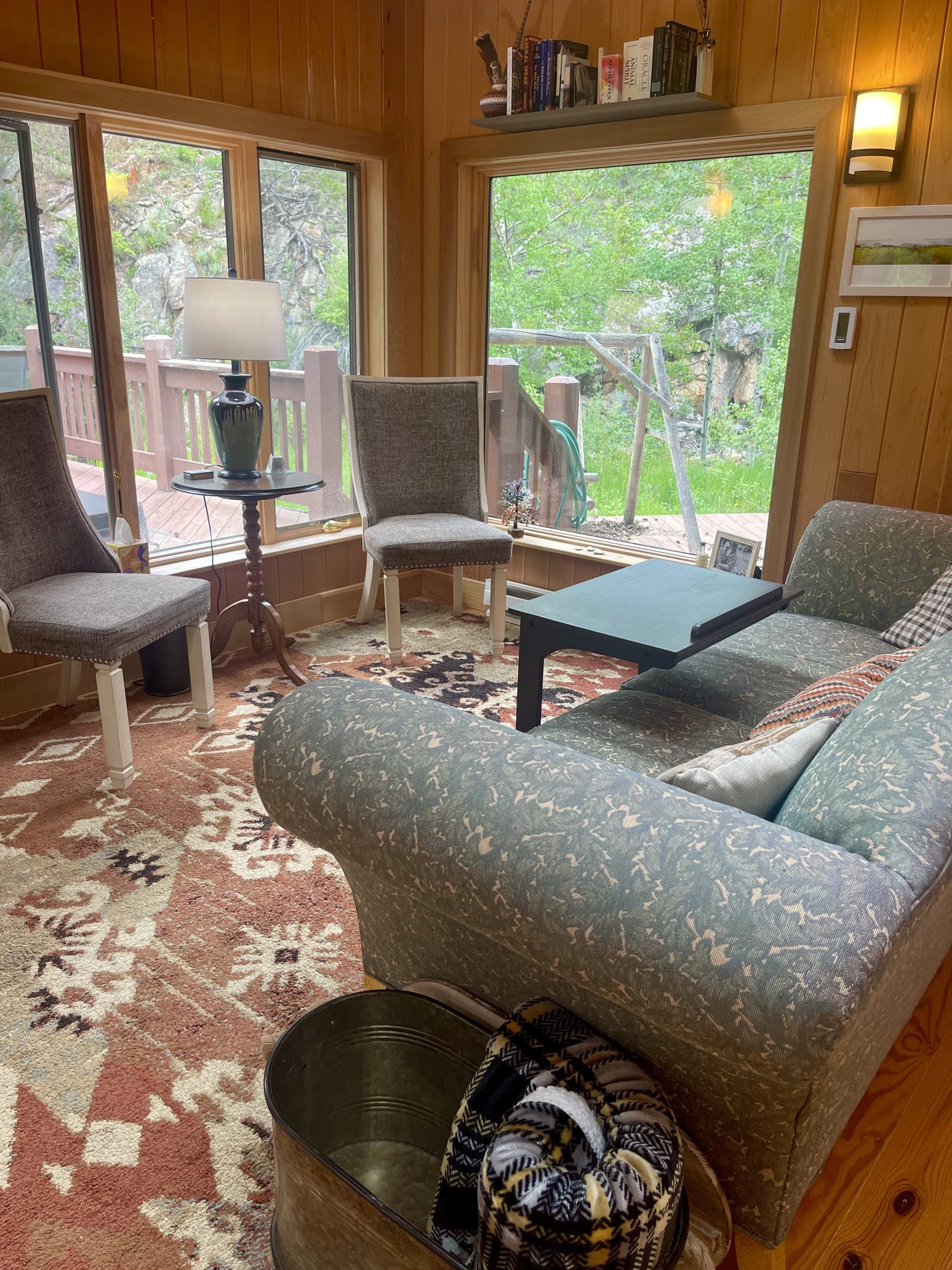
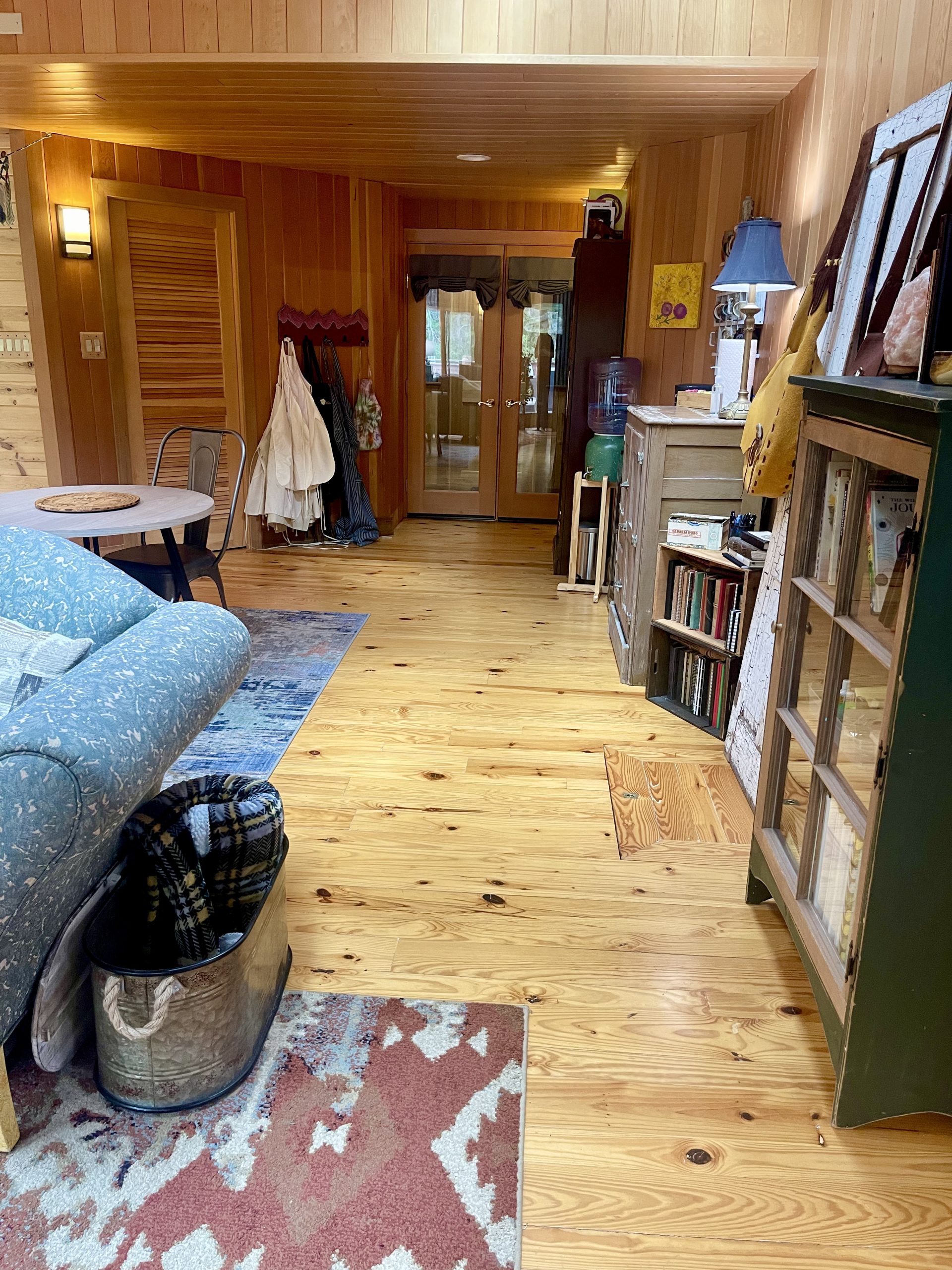
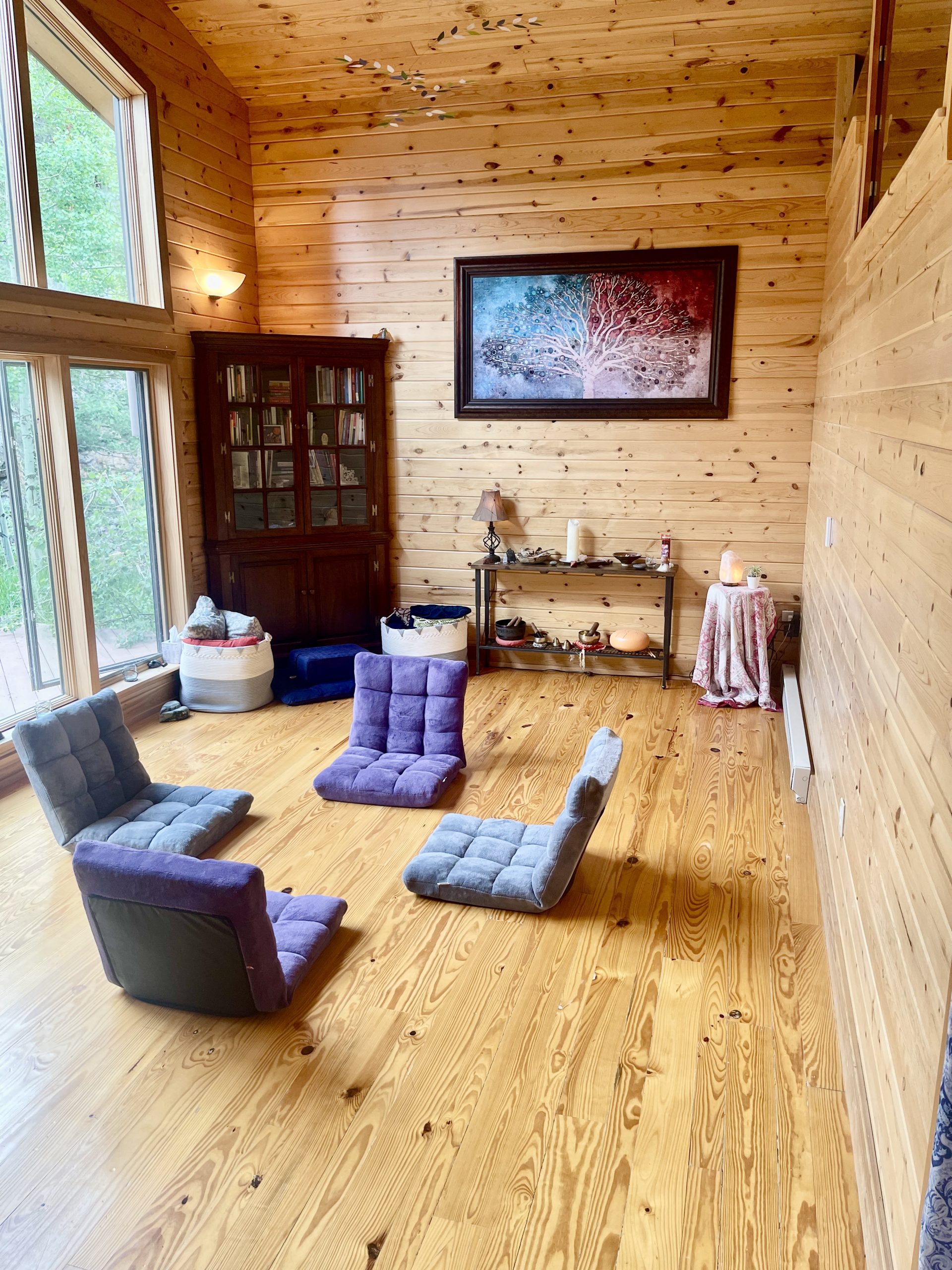
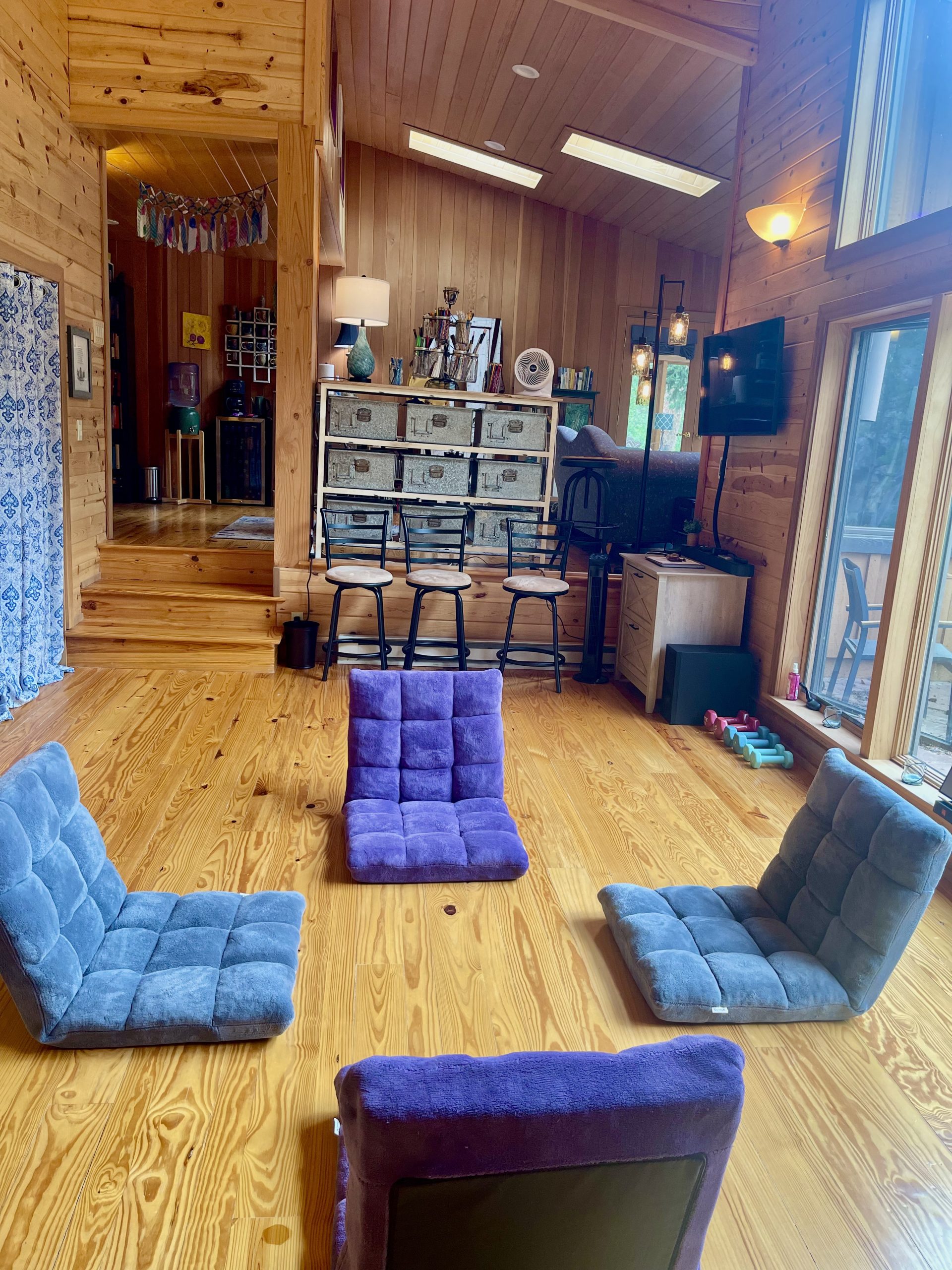
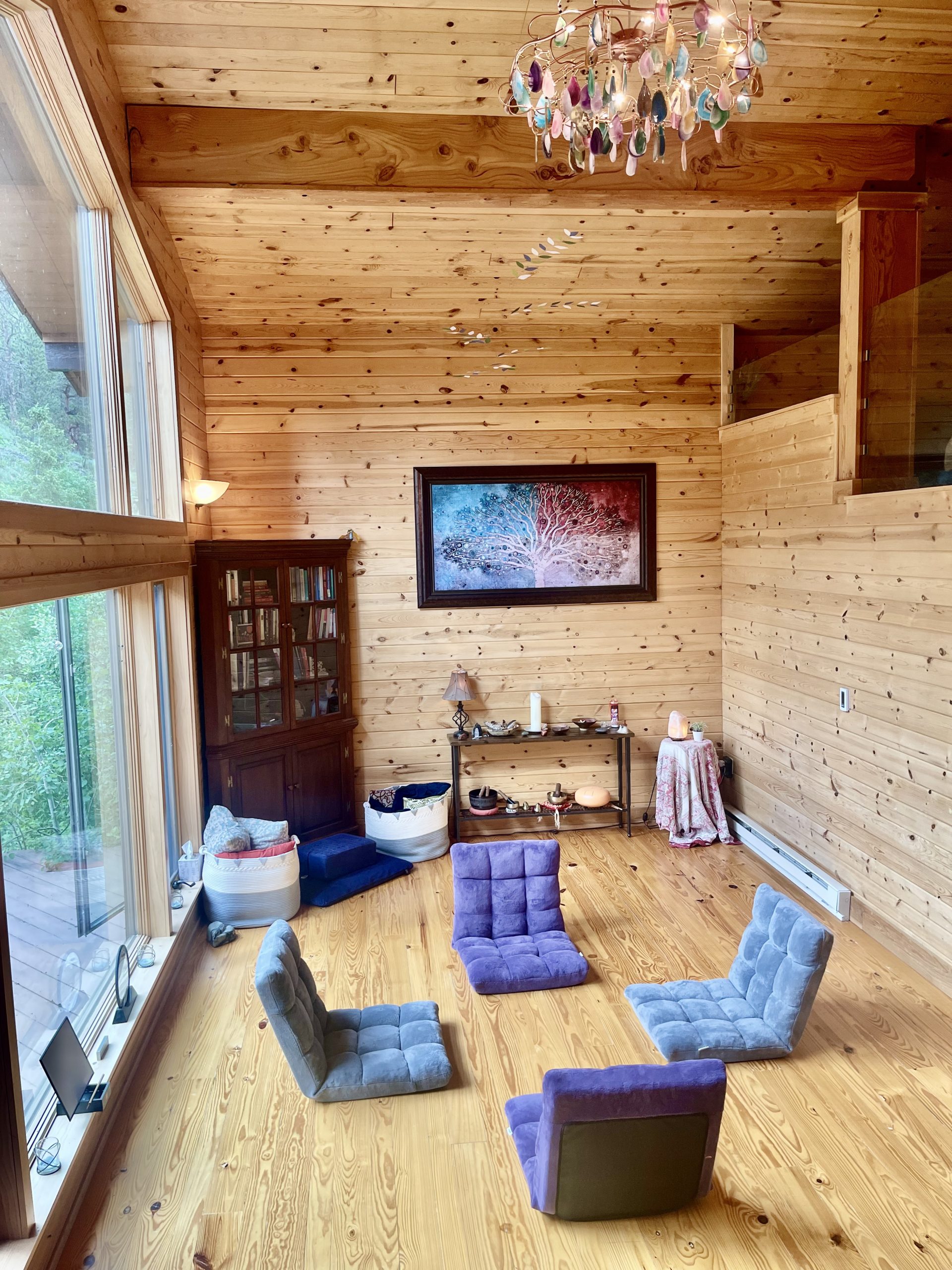
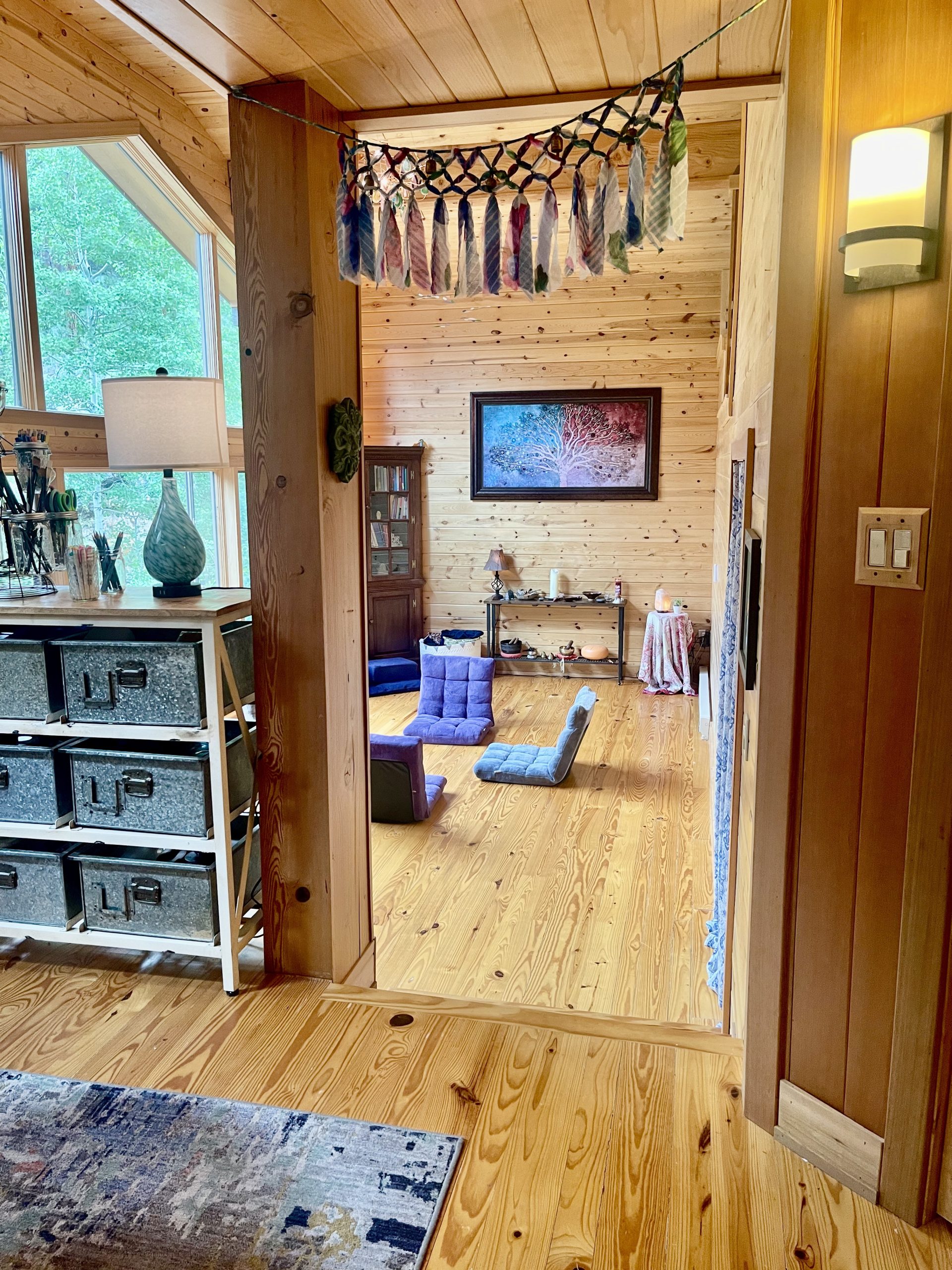
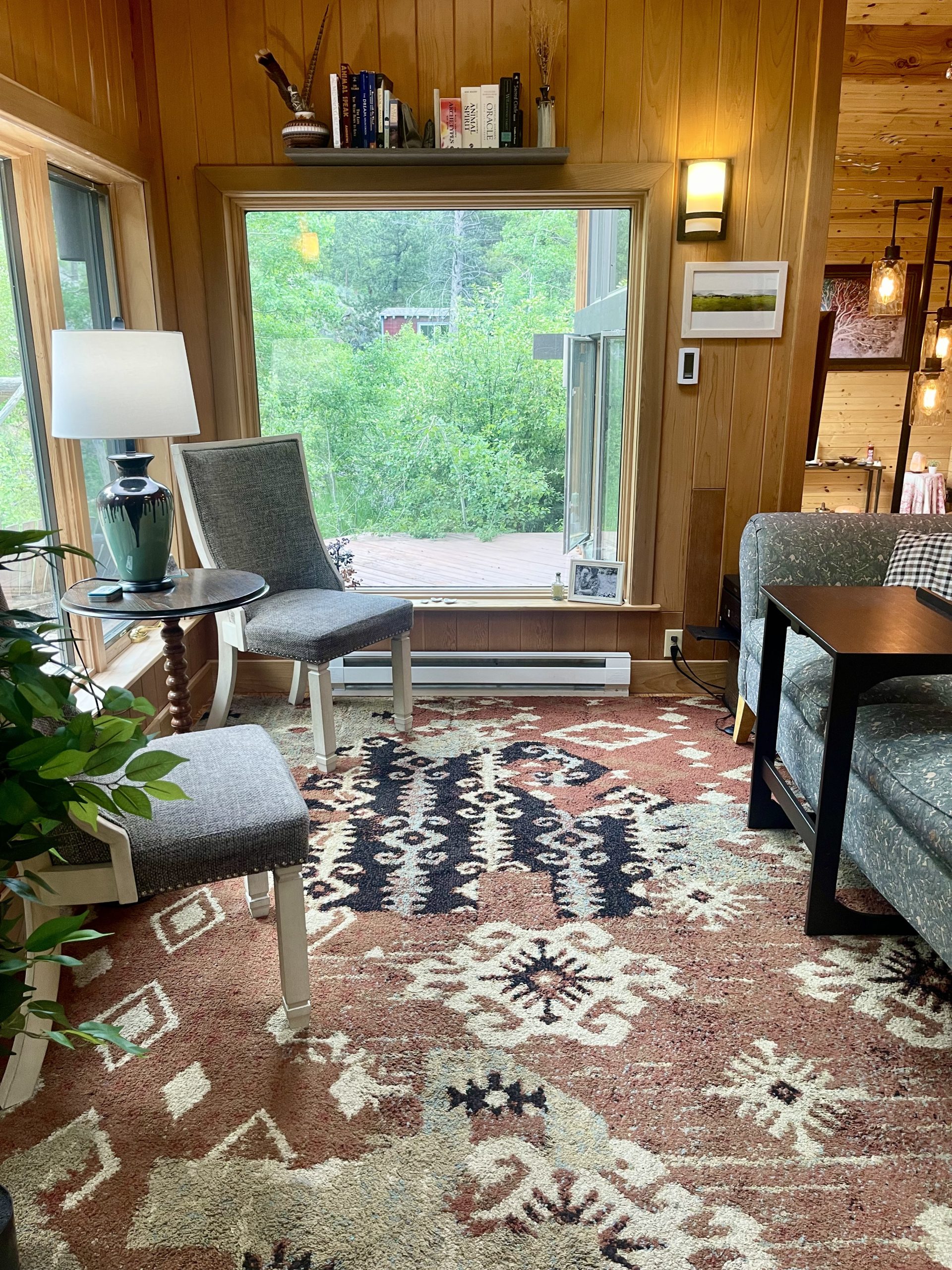
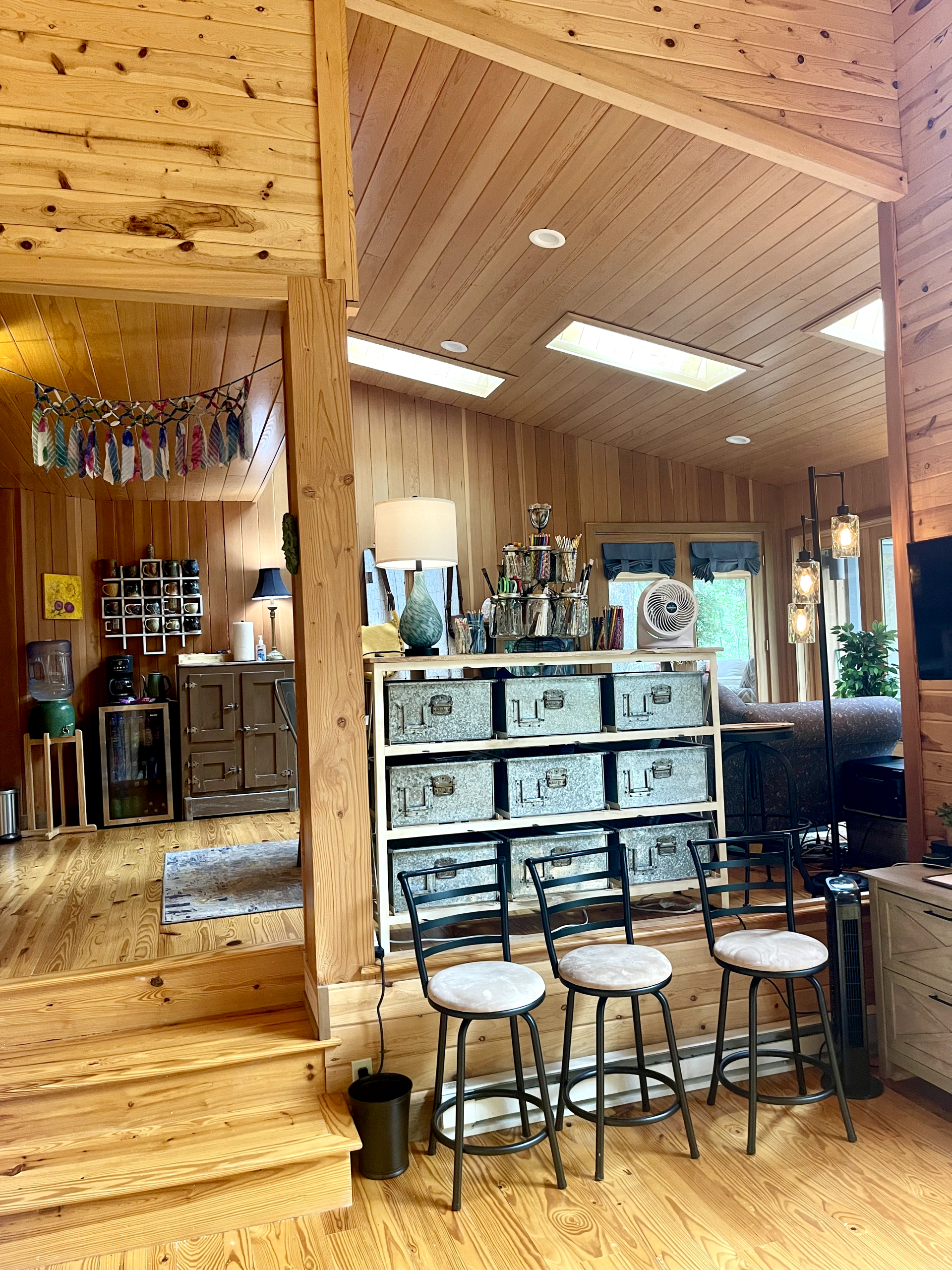
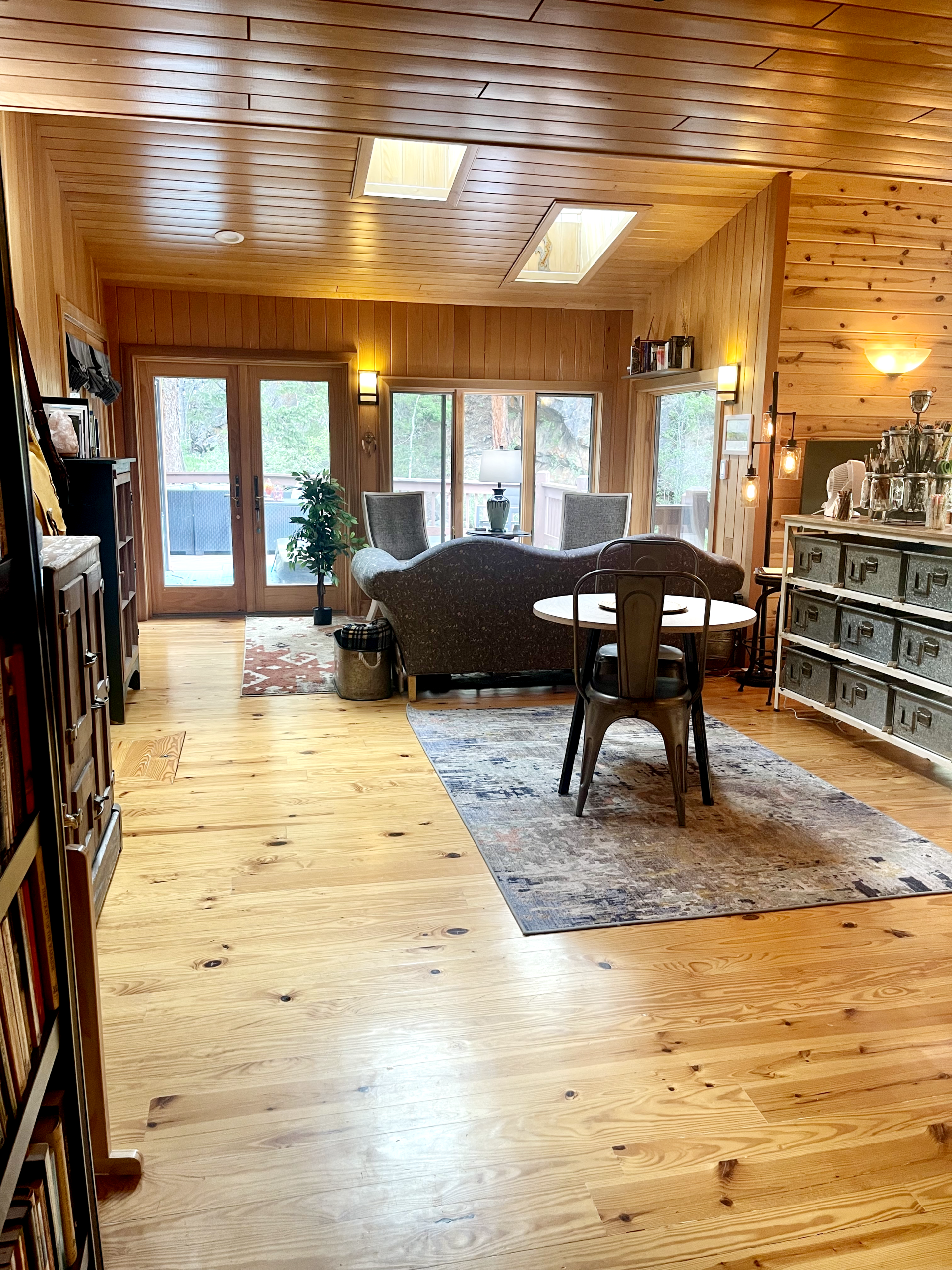
Our CEU offerings are daylong events, running six to eight hours, held in a beautiful retreat home tucked into the Rocky Mountains just outside Lyons, Colorado.  The rhythm of a single full day gives us enough time to move from presentation into practice, to slow between exercises, and to let learning settle into felt experience without the hurry of a typical workshop.

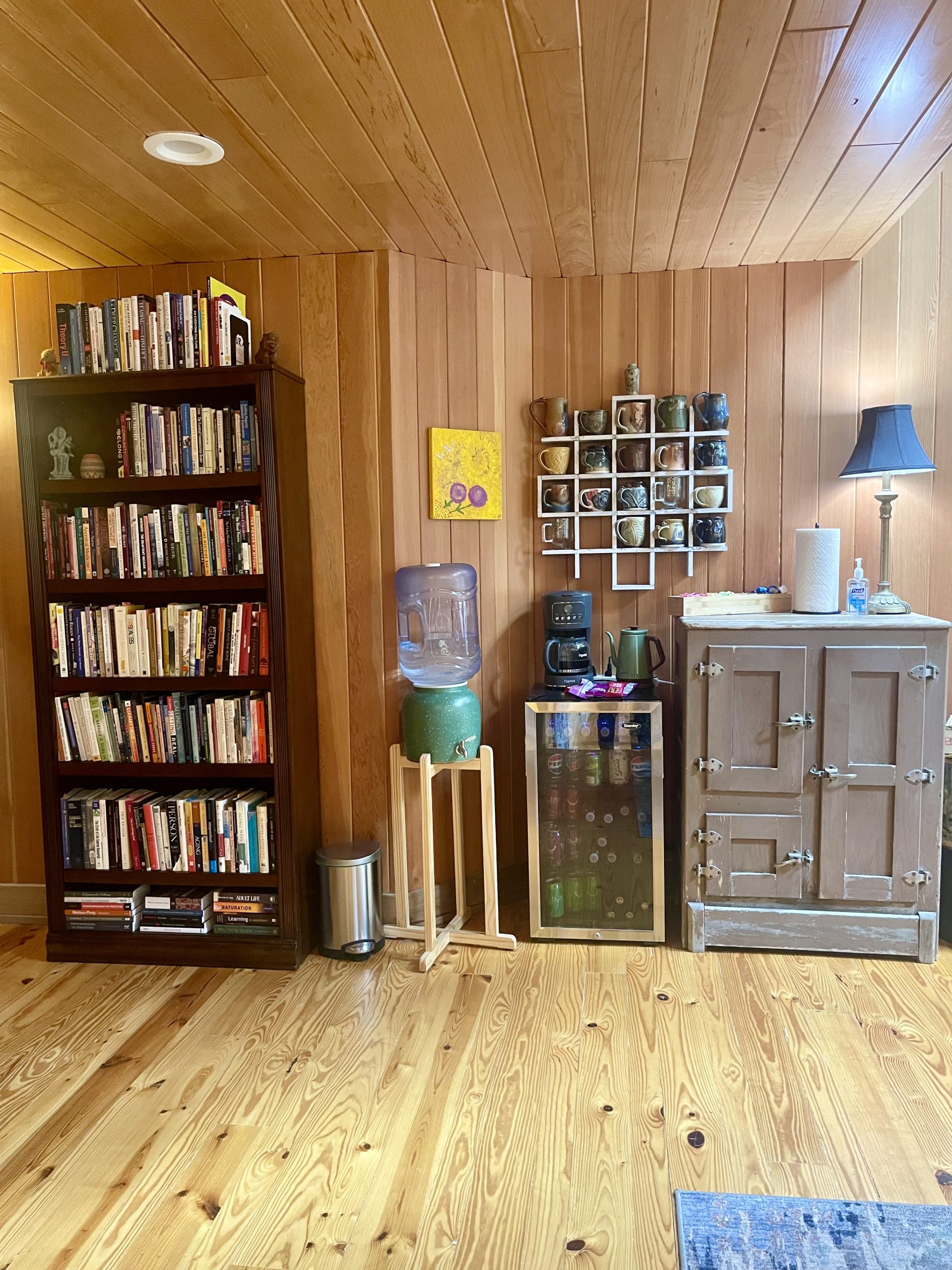
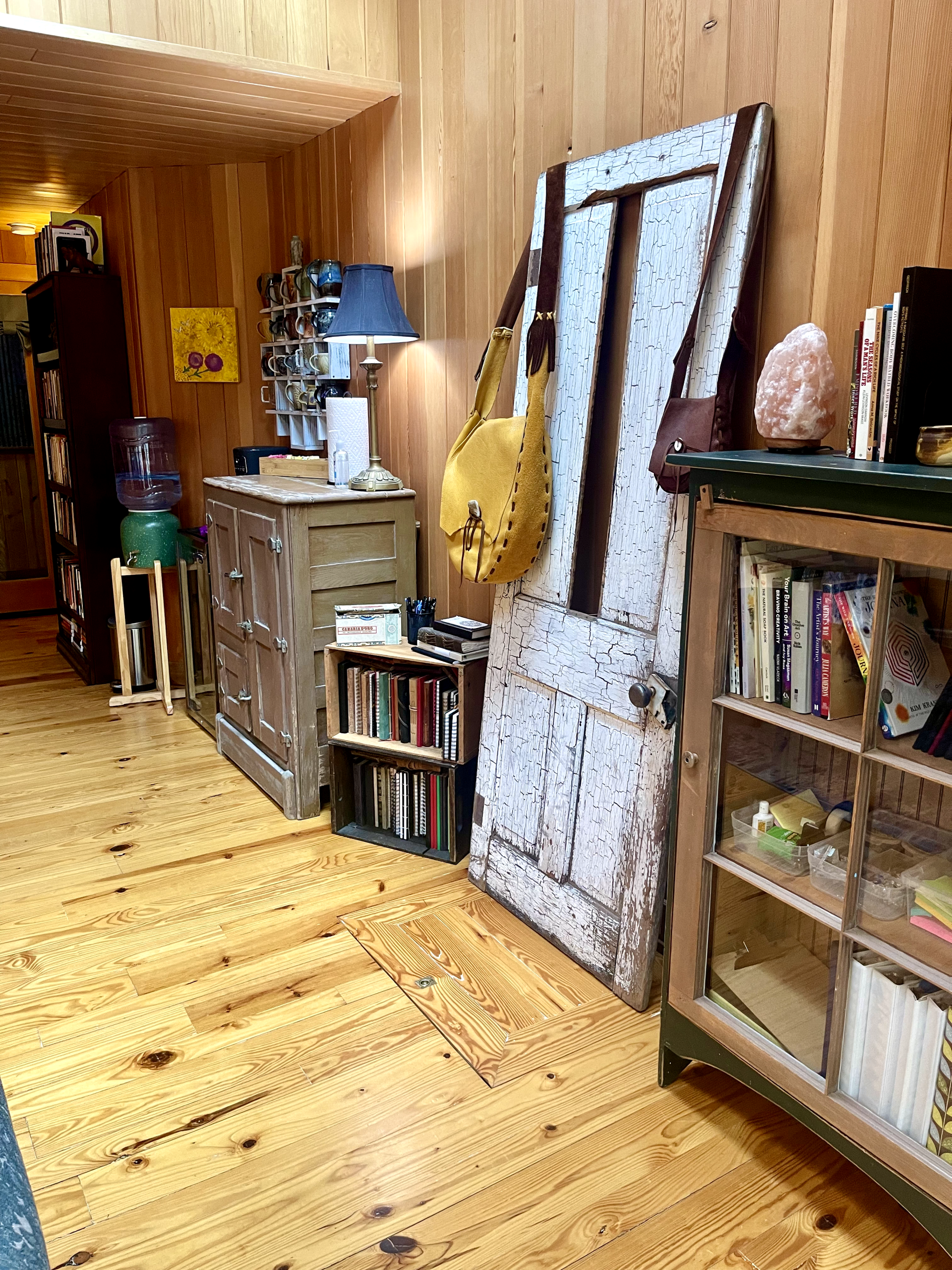
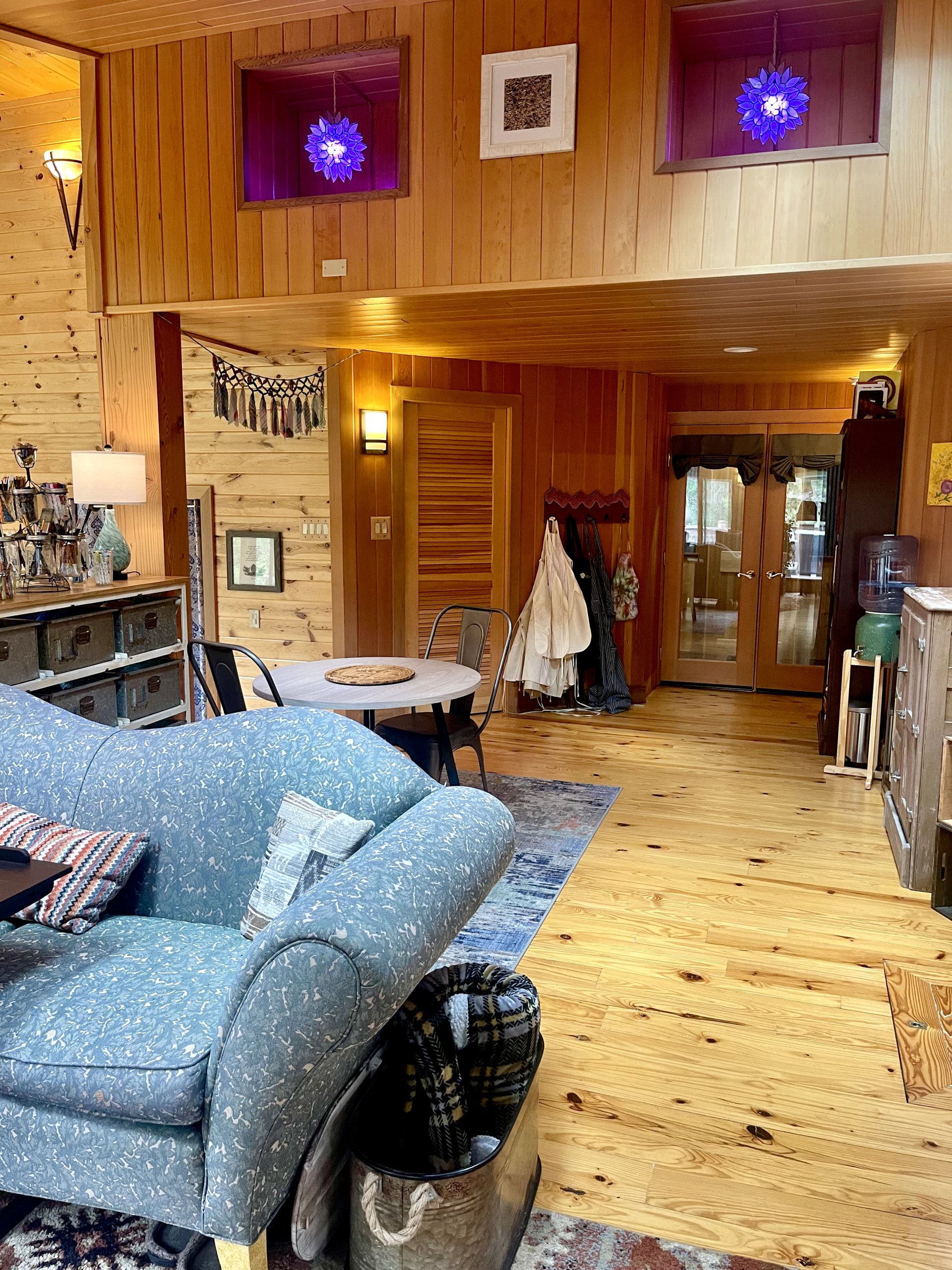
The retreat setting comfortably welcomes up to twenty participants, creating a somatic container that is intentionally different from conference rooms and hotel ballrooms.  Surrounded by pines and open sky, the house offers a council room, gathering spaces, and quiet corners to pause between sessions, so the landscape itself becomes a co‑teacher for reflection, ritual, and deeper attention.

Because the day is held in an intimate, domestic space, the work can be both rigorous and relational.  Small group size allows for sustained conversation, close feedback from Institute Guides, and practice that moves beyond theory into embodied skill.  Participants leave with more than handouts; they leave with practices they can try the next week, and with the felt sense that the material landed inside them.

For organizations needing training for larger groups, our Institute Guides will come to you.  We design on‑site daylong programs that carry the same practical rigor and ceremonial attention into your setting so the work can scale without losing intimacy.

1. Life Cycle Sequencing: A Developmental Map for Therapeutic Practice

2. Meeting the Forming Self: Developmental Awareness in the High School Classroom

3. Mentoring the Forming Self: Developmental Guidance in Higher Education

4. Symbolic Storytelling & Archetypal Mapping in Human Development

5. Stewardship & Transmission: The Ethics of Generative Leadership

6. Embodied Alignment: Integrating Perception and Adjustment in Client Work

7. Ritual as Integration: Designing Threshold Experiences for Transformation

8. The Circle Path: Applying Cyclical Models to Client Growth

9. Narrative Reconstruction: Rewriting the Self Through Life Cycle Reflection

10. Embodied Timing: Somatic Tools for Life Cycle Integration

11. Community as Container: Facilitating Group Growth Through Life Cycle Work

12. Soulful Branding for Practitioners: Aligning Identity, Message, and Mission

CEU Inquiry Form

CEU Inquiry Form
Name
Name
First Name
Last Name
Which CEU(s) are you interested in?
Preferred Format:

1. Life Cycle Sequencing: A Developmental Map for Therapeutic Practice

Subtitle: Reclaiming Timing, Identity, and Narrative Across the Lifespan

Audience: Educators, coaches, therapists, and transition specialists

Format: 6 – 8 hours, with workbook, guided meditations, and client templates

Overview: This CEU introduces the 13 Life Cycles as a dynamic framework for understanding identity, timing, and transformation across the lifespan. Practitioners learn to locate clients within their developmental arc, identify
ruptures or delays, and guide re-integration through narrative, reflection, and symbolic mapping.  It’s a foundational course for applying cyclical wisdom to
therapeutic work.

Focus Areas:

  • Introduces the 13 Life Cycles and their operative energies
  • Teaches practitioners how to use Life Cycle Sequencing to locate clients in time, identify developmental ruptures, and guide re-integration
  • Includes case studies, mapping exercises, and narrative reconstruction tools

Learning Objectives:

  • Understand the 13 Life Cycles and their operative energies and modes of engagement
  • Identify developmental ruptures and missed transitions in client narratives
  • Apply Life Cycle Sequencing to therapeutic assessment and treatment planning
  • Facilitate client reflection using mapping tools and narrative prompts
  • Support clients in reclaiming timing and restoring coherence across the lifespan

2. Meeting the Forming Self: Developmental Awareness in the High School Classroom

Subtitle: Supporting Identity, Timing, and Belonging in Adolescents

Audience: High school teachers, counselors, and instructional coaches 

Format: 6 hours, with classroom templates, student reflection tools, and educator journaling prompts

Overview: This CEU equips high school educators with developmental insight into the Forming Self Life Cycle (ages 14–21), helping them recognize the deeper identity work unfolding beneath academic performance and behavioral patterns.  Teachers learn to create classroom environments that honor timing, foster belonging, and support students in forming a coherent sense of self.

Focus Areas:

  • Identity Formation in Context
    Explore how academic, social, and cultural environments shape adolescent identity and self-concept during the Forming Self Life Cycle.
  • Timing and Transition Support
    Learn to recognize and respond to developmental transitions (e.g., autonomy, relational shifts, existential questioning) with attuned classroom practices.
  • Creating Belonging-Centered Classrooms
    Design learning spaces that foster psychological safety, emotional resonance, and a sense of being “right on time” for each student’s journey.


Learning Objectives:

  • Understand the operative energy of the Forming Self and its relevance to adolescent development
  • Identify signs of developmental dissonance, rupture, or delay in student behavior and engagement
  • Create classroom rituals, language, and structures that support identity formation and relational safety
  • Use life cycle-informed strategies to foster self-reflection, emotional regulation, and narrative coherence
  • Shift from performance-based teaching to presence-based mentoring, supporting students as whole beings

3. Mentoring the Forming Self: Developmental Guidance in Higher Education

Subtitle: Cultivating Purpose, Autonomy, and Inner Coherence in Emerging Adults

Audience: College professors, academic advisors, student life professionals 

Format: 6 – 8 hours, with mentoring frameworks, student dialogue guides, and developmental case studies

Overview: This CEU supports college professors and advisors in understanding the Forming Self Life Cycle as a critical phase of identity consolidation, existential questioning, and relational experimentation.  Educators learn to mentor students not just academically, but developmentally – helping them navigate the deeper work of becoming.

Focus Areas:

  • Purpose Discovery and Self-Authorship
    Support students in exploring personal meaning, values, and direction as they navigate the formative years of emerging adulthood.
  • Integrating Academic and Developmental Growth
    Bridge intellectual rigor with emotional and existential development, helping students align their studies with their evolving sense of self.
  • Relational Mentorship and Boundary-Honoring Guidance
    Cultivate mentoring relationships that empower students without overstepping, using developmental insight to guide with clarity and care.

Learning Objectives:

  • Explore the psychological and existential tasks of the Forming Self in emerging adulthood
  • Recognize how academic choices, social dynamics, and personal crises reflect developmental timing
  • Integrate life cycle-informed mentoring practices into advising, teaching, and curriculum design
  • Support students in cultivating inner coherence, purpose, and self-authorship
  • Create learning environments that honor autonomy, relational depth, and symbolic exploration

4. Symbolic Storytelling & Archetypal Mapping in Human Development

Subtitle: Using Myth and Metaphor to Deepen Client Insight

Audience: Depth-oriented therapists, expressive arts facilitators, and spiritual guides

Format: 4 – 6 hours, with visual cards, journaling prompts, and sample scripts

Overview: Explore the power of metaphor, myth, and nature-based symbolism to deepen client insight and emotional resonance.  This CEU equips practitioners to use spirals, seasons, directions, and archetypes as tools for meaning-making, identity exploration, and developmental reflection.  Ideal for those seeking to enrich their practice with symbolic depth.

Focus Areas:

  • Explores the use of spirals, seasons, directions, and archetypes to support identity work
  • Helps practitioners integrate symbolic language into sessions for deeper resonance and meaning-making
  • Includes visual tools, guided imagery, and creative exercises


Learning Objectives:

  • Explore nature-based metaphors (spirals, seasons, directions) as developmental tools
  • Integrate symbolic language into sessions to deepen client insight and resonance
  • Use archetypal mapping to support identity work and life cycle transitions
  • Design visual and narrative tools that reflect clients’ symbolic journeys
  • Facilitate meaning-making through metaphor, myth, and ecological reflection

5. Stewardship & Transmission: The Ethics of Generative Leadership

Subtitle: Mentoring, Legacy, and the Contributing Self in Practice

Audience: Senior practitioners, supervisors, educators, and organizational leaders

Format: 6 hours, with reflection prompts, case scenarios, and peer dialogue

Overview: Designed for seasoned practitioners, this CEU explores the shift from mastery to mentorship.  Participants learn how to guide others with integrity, humility, and discernment – offering their wisdom without projection or overreach.  It’s a soulful approach to legacy-building, relational leadership, and ethical transmission.

Focus Areas:

  • Explores the developmental shift from mastery to mentorship
  • Teaches how to guide others without projection, overreach, or self-erasure
  • Includes frameworks for ethical transmission, relational attunement, and legacy-building


Learning Objectives:

  • Define stewardship as a developmental practice in the Contributing Self Life Cycle
  • Distinguish between mentoring, guiding, and projecting in professional relationships
  • Explore ethical frameworks for legacy-building and relational transmission
  • Support clients and peers in offering their gifts without overreach or self-erasure
  • Cultivate humility, discernment, and grace in leadership and mentorship roles

6. Embodied Alignment: Integrating Perception and Adjustment in Client Work

Subtitle: Supporting Coherence Through Subtle Shifts and Somatic Awareness

Audience: Somatic therapists, life coaches, and holistic practitioners

Format: 5 – 7 hours, with experiential practices, audio resources, and client tools

Overview: Centered on the Aligning Self Life Cycle, this CEU teaches practitioners how to help clients attune to dissonance and make subtle, soulful shifts toward coherence.  Through somatic awareness, rhythm-based interventions, and relational mapping, participants learn to support alignment as a lived, embodied practice.

Focus Areas:

  • Centers on the Aligning Self Life Cycle and its relevance to midlife transitions
  • Teaches practitioners how to help clients perceive dissonance and make soulful adjustments
  • Includes somatic tracking, rhythm-based interventions, and relational mapping


Learning Objectives:

  • Understand perception and adjustment as core practices in the Aligning Self Life Cycle
  • Help clients identify dissonance and make subtle, soulful shifts toward coherence
  • Use somatic tracking and embodied awareness to support alignment
  • Facilitate rhythm-based interventions that honor timing and relational attunement
  • Guide clients in living from the inside out with integrity and presence

7. Ritual as Integration: Designing Threshold Experiences for Transformation

Subtitle: From Transition to Transmission

Audience: Therapists, coaches, spiritual directors, and retreat facilitators

Format: 6 – 8 hours, with ritual design workbook, sample scripts, and case studies

Overview: This CEU explores the role of ritual in marking transitions, healing ruptures, and honoring developmental timing.  Practitioners learn to design and facilitate personalized and group rituals that support integration, belonging, and symbolic transformation.  This is a powerful course for those working at the intersection of healing and ceremony.

Focus:

  • Explores the role of ritual in marking developmental thresholds and life cycle transitions
  • Teaches practitioners how to design and facilitate meaningful rituals for clients, groups, and communities
  • Includes seasonal templates, symbolic tools, and guidance on creating personalized rites of passage


Learning Objectives:

  • Explore the role of ritual in marking developmental transitions and life cycle thresholds
  • Design personalized and group rituals that support healing, initiation, and integration
  • Use symbolic elements (direction, season, archetype) to deepen ritual meaning
  • Facilitate embodied experiences that honor timing, identity, and belonging
  • Support clients in creating rites of passage that reflect their unique becoming

8. The Circle Path: Applying Cyclical Models to Client Growth

Subtitle: Beyond Linear Development

Audience: Depth-oriented therapists, educators, and life coaches

Format: 5 – 6 hours, with visual aids and client-facing materials

Overview: Move beyond linear development with this CEU focused on circular-based thinking. Practitioners learn to track recurring themes, symbolic returns, and layered growth across time.  The course offers tools for mapping cyclical progress and supporting clients in navigating complex, nonlinear journeys of becoming.

Focus Areas:

  • Introduces spiral-based developmental thinking as an alternative to linear models
  • Helps practitioners track client progress through recurring themes, patterns, and symbolic returns
  • Includes mapping tools, journaling prompts, and visual metaphors for cyclical growth


Learning Objectives:

  • Understand circular-based development as an alternative to linear models
  • Identify recurring themes and symbolic returns in client narratives
  • Use cyclical mapping to track growth, regression, and integration
  • Facilitate client reflection on timing, repetition, and layered identity
  • Apply spiral thinking to long-term planning and therapeutic pacing

9. Narrative Reconstruction: Rewriting the Self Through Life Cycle Reflection

Subtitle: Healing the Past, Reclaiming the Present

Audience: Narrative therapists, trauma-informed practitioners, and coaches

Format: 6 hours, with client worksheets and facilitator guide

Overview: This CEU guides practitioners in helping clients revisit and re-author past life cycles. Through storytelling, memory work, and symbolic reframing, participants learn to support healing, coherence, and agency.   It’s a transformative approach to identity work rooted in developmental timing and personal myth.

Focus Areas:

  • Guides practitioners in helping clients revisit and re-author past life cycles
  • Integrates storytelling, memory work, and symbolic reframing to support healing and coherence
  • Includes timeline exercises, guided meditations, and narrative prompts

Learning Objectives:

  • Guide clients in revisiting and re-authoring past life cycles
  • Use storytelling, memory work, and symbolic reframing to support healing
  • Identify inherited scripts and support clients in rewriting personal myths
  • Facilitate integration of past experiences into present identity
  • Support clients in reclaiming agency and coherence through narrative work

10. Embodied Timing: Somatic Tools for Life Cycle Integration

Subtitle: Listening to the Body’s Clock

Audience: Somatic therapists, bodyworkers, and holistic coaches

Format: 6 – 8 hours, with experiential modules and guided practices

Overview: Explore how the body holds developmental timing and how somatic awareness can support integration.  This CEU offers breathwork, movement practices, and sensory tracking to help clients locate themselves in their life cycle and restore rhythm, regulation, and relational presence.

Focus Areas:

  • Teaches practitioners how to use somatic awareness to locate clients in their developmental timing
  • Includes breathwork, movement practices, and body-based mapping for alignment and adjustment
  • Explores how trauma, culture, and rhythm affect embodiment across life cycles


Learning Objectives:

  • Explore the relationship between somatic awareness and developmental timing
  • Use body-based practices to help clients locate themselves in their life cycle
  • Facilitate breathwork, movement, and sensory tracking for integration
  • Identify how trauma and culture shape embodiment across the lifespan
  • Support clients in restoring rhythm, regulation, and relational presence

11. Community as Container: Facilitating Group Growth Through Life Cycle Work

Subtitle: Holding Space for Collective Becoming

Audience: Group therapists, facilitators, educators, and spiritual leaders

Format: 8 hours, with group guidebook and sample session outlines

Overview: Learn to design and lead group experiences rooted in Life Cycle Sequencing.  This CEU covers group dynamics, ritual facilitation, and curriculum design for collective transformation.  Practitioners gain tools to hold space for shared inquiry, relational depth, and community-based healing.

Focus:

  • Equips practitioners to lead group experiences rooted in Life Cycle Sequencing
  • Covers group dynamics, ritual facilitation, and creating psychologically safe spaces for transformation
  • Includes curriculum templates, facilitation scripts, and community-building strategies

Learning Objectives:

  • Understand group dynamics through the lens of Life Cycle Sequencing
  • Design and facilitate group experiences that support collective becoming
  • Create psychologically safe spaces for reflection, ritual, and dialogue
  • Use life cycle themes to guide group curriculum and shared inquiry
  • Support community-based healing through rhythm, resonance, and relational depth

12. Soulful Branding for Practitioners: Aligning Identity, Message, and Mission

Subtitle: Building a Practice That Reflects Who You’re Becoming

Audience: Therapists, coaches, and guides launching or refining their practice

Format: 6 hours, with branding workbook and design templates

Overview: This CEU helps practitioners clarify your voice, values, and visual identity through developmental reflection.  Participants learn to craft offerings that resonate, build authentic messaging, and design a practice that reflects who you’re becoming.  Ideal for those launching or refining their professional presence.

Focus Areas:

  • Helps practitioners clarify their voice, values, and visual identity
  • Integrates developmental timing with brand storytelling and symbolic design
  • Includes exercises on naming, messaging pillars, and creating offerings that resonate

Learning Objectives:

  • Clarify personal and professional identity through developmental reflection
  • Align brand messaging with values, timing, and symbolic language
  • Design offerings that reflect authentic voice and soulful resonance
  • Use storytelling and visual design to communicate mission and impact
  • Build a practice that supports both personal evolution and client transformation

Life Cycle Sequencing: Foundations

The Invitation
Every life has a rhythm, a hidden architecture that shapes the way we grow, change, and become. You’ve felt it before – the sense that certain moments arrive right on time, while others feel like they’re pulling you forward before you’re ready. Life Cycle Sequencing: Foundations is your key to understanding these patterns. It’s not just theory; it’s a living map of your own unfolding.

Why You’re Called Here
If you’ve ever wondered why certain challenges keep repeating, or why some seasons of life feel effortless while others feel like uphill climbs, this course will give you the clarity you’ve been craving. You’ll learn to see your life not as a series of random events, but as a purposeful sequence – one that you can navigate with awareness instead of guesswork.

What You’ll Gain
By the end of this course, you’ll have a clear framework for recognizing where you are in your current cycle, what’s coming next, and how to prepare for it. You’ll be able to identify the signs of transition before they arrive, make decisions with greater confidence, and align your actions with the natural flow of your development.

What to Expect
Over several modules, you’ll explore the stages of the life cycle through engaging video lessons, live interactions, reflective exercises, and guided Life Cycle Sequencing activities. You’ll work with real examples from your own life, uncovering patterns you may never have noticed before. You’ll also have access to a supportive online community where you can share insights, learn from others walking their own paths, and find allies on the journey.

The Transformation
This isn’t just about learning a model – it’s about reclaiming your agency. When you understand the timing and structure of your own growth, you stop fighting the current and start moving with it. You’ll leave with a sense of grounded confidence, knowing that you have the tools to meet whatever comes next.

Timing & Commitment
This course runs four consecutive weeks with one live, two‑hour class each week.  Between sessions you’ll engage with focused coursework – short readings, reflective exercises, and practical experientials – designed to deepen learning and integrate discoveries into your life.  Expect an engaging, rigorous experience that asks for steady participation: plan on the two‑hour live class plus roughly 2 – 4 hours per week of preparatory and integration work.  Live sessions are interactive and practice‑focused; recordings and resources are provided for catch‑up, but full benefit comes from attending and participating in real time.

Life Stance: 13 Life Cycles in 13 Weeks

The Invitation
Imagine walking through every cycle of human becoming – not as an abstract idea, but as a lived, embodied experience.  Life Stance: 13 Life Cycles in 13 Weeks is a guided journey through the full arc of development, from the first breath to the wisdom of elderhood.  Each week, you’ll immerse yourself in a new cycle, exploring its gifts, challenges, and lessons.

Why You’re Called Here
If you’ve ever felt like you’re living one chapter while still carrying the weight of another, or if you sense that understanding the whole story of human development could unlock your own growth, this course is for you.  It’s for seekers who want to see the bigger picture and your place within it.

What You’ll Gain
By the end of these thirteen weeks, you’ll have a deep, embodied understanding of each life cycle and how they weave together.  You’ll see your own journey with fresh eyes, recognize the cycles you’ve mastered, and identify the ones still calling for your attention.  This awareness becomes a compass for every decision you make.

What to Expect
Each week brings a new module with video teachings, reflective prompts, live interactions, and guided practices.  You’ll engage in rituals that help you embody the qualities of each stage, from the curiosity of childhood to the vision of elderhood.  Group discussions offer a space to share insights and witness others’ transformations.

The Transformation
This isn’t just learning – it’s remembering.  You’ll leave with a living map of your life, one that honors where you’ve been, clarifies where you are, and illuminates where you’re going.  The cycles become allies, guiding you toward wholeness.

Timing & Commitment
This course runs for an entire season of thirteen consecutive weeks with one live, 90-minute class each week.  Between sessions you’ll engage with focused coursework – short readings, reflective exercises, and practical experientials – designed to deepen learning and integrate discoveries into your life.  Expect an engaging, rigorous experience that asks for steady participation: plan on the two‑hour live class plus roughly 2 – 4 hours per week of preparatory and integration work.  Live sessions are interactive and practice‑focused; recordings and resources are provided for catch‑up, but full benefit comes from attending and participating in real time.


Transitions to Transformation

The Invitation
Life’s turning points can feel like storms – unpredictable, disorienting, and powerful.  Transitions to Transformation is your guide to navigating these moments with clarity, grace, and depth.  Instead of resisting change, you’ll learn to harness it as a force for growth.

Why You’re Called Here
If you’re in the midst of a career shift, relationship change, relocation, or personal awakening, you know how destabilizing transitions can be.  This course is for those who want to meet change with open eyes and a steady heart, transforming uncertainty into opportunity.

What You’ll Gain
You’ll develop a personal toolkit for navigating transitions – from recognizing the early signs of change to integrating the lessons they bring.  You’ll learn to release what no longer serves you, honor the space in-between, and step into new beginnings with confidence.

What to Expect
Through live interactions, guided meditations, journaling exercises, and practical tools you’ll explore the anatomy of transition.  You’ll map your own turning points, identify patterns, and practice rituals that help you move through change with intention.  Live Q&A sessions offer real-time support and insight.

The Transformation
By the end, you’ll no longer see transitions as disruptions, but as thresholds – sacred gateways into the next chapter of your life.  You’ll carry the skills to meet future changes with resilience and trust.

Timing & Commitment
This course runs four consecutive weeks with one live, two‑hour class each week.  Between sessions you’ll engage with focused coursework – short readings, reflective exercises, and practical experientials – designed to deepen learning and integrate discoveries into your life.  Expect an engaging, rigorous experience that asks for steady participation: plan on the two‑hour live class plus roughly 2 – 4 hours per week of preparatory and integration work.  Live sessions are interactive and practice‑focused; recordings and resources are provided for catch‑up, but full benefit comes from attending and participating in real time.

Strengthen into Stability

The Invitation
In a world that moves fast and demands more, stability can feel like a luxury.  Strengthen into Stability is your invitation to slow down, root deeply, and build the resilience you need to thrive in your current life cycle.

Why You’re Called Here
If you’ve been feeling unsteady – emotionally, mentally, or physically – this course offers the grounding you’ve been seeking.  It’s for anyone who wants to stop reacting to life’s chaos and start responding from a place of strength.

What You’ll Gain
You’ll learn practical, body-based practices to restore balance, along with mindset tools to keep you steady when challenges arise.  You’ll create a personalized stability plan that supports your unique needs and rhythms.

What to Expect
Each module combines short, accessible practices with deeper teachings on resilience.  You’ll explore breathwork, grounding rituals, and daily habits that anchor you in the present.  Reflection prompts help you track your progress and notice subtle shifts.

The Transformation
By the end, you’ll feel more rooted, calm, and capable – no matter what life throws your way.  Stability will no longer be something you chase; it will be something you carry within you.

Timing & Commitment
This course runs four consecutive weeks with one live, two‑hour class each week.  Between sessions you’ll engage with focused coursework – short readings, reflective exercises, and practical experientials – designed to deepen learning and integrate discoveries into your life.  Expect an engaging, rigorous experience that asks for steady participation: plan on the two‑hour live class plus roughly 2 – 4 hours per week of preparatory and integration work.  Live sessions are interactive and practice‑focused; recordings and resources are provided for catch‑up, but full benefit comes from attending and participating in real time.

Ritual in Everyday Life

The Invitation
Life is made of moments – but too often, we rush through them.  Ritual in Everyday Life teaches you to slow down, infuse intention into your routines, and transform the ordinary into the sacred.

Why You’re Called Here
If you’ve been craving more meaning in your daily life, this course is your answer.  It’s for those who want to feel connected, present, and purposeful – not just during big milestones, but in the quiet moments in between.

What You’ll Gain
You’ll learn simple, powerful rituals to mark time, honor transitions, and cultivate presence.  These practices will help you reconnect with yourself, your loved ones, and the world around you.

What to Expect
Through video lessons, printable guides, live discussions, and community interactions, you’ll explore rituals for morning, evening, work, relationships, and self-care.  You’ll experiment with micro-ceremonies that fit seamlessly into your life.

The Transformation
By the end, you’ll see your days differently.  Every sip of tea, every walk outside, every pause will become an opportunity to connect with the sacred.

Timing & Commitment
This course runs four consecutive weeks with one live, two‑hour class each week.  Between sessions you’ll engage with focused coursework – short readings, reflective exercises, and practical experientials – designed to deepen learning and integrate discoveries into your life.  Expect an engaging, rigorous experience that asks for steady participation: plan on the two‑hour live class plus roughly 2 – 4 hours per week of preparatory and integration work.  Live sessions are interactive and practice‑focused; recordings and resources are provided for catch‑up, but full benefit comes from attending and participating in real time.